- Home
- Shop All Products
- All Garage Door Remotes
- All Gate Remote Controls
- Tilt Garage Door Parts & Handles
- Sectional Garage Door Parts
- Tilt Garage Door Springs
- Buy Garage Door Motors DIY
- Garage Door & Gate Keypads & Wall Buttons
- Garage Door And Gate Receivers
- A1 Garage Door Remote Controls
- Acdc Garage Door Remotes
- Ads Dominator Garage Door Remotes
- Aprimatic Gate Remotes
- Ahi Garage Door Remotes
- ATA Garage Door Remotes & Keypads
- Avon Smartdoor Garage Door Remotes
- B&d Garage Door Remotes
- BENINCA Gate Remotes
- Bft Garage Door & Gate Products
- Boss Garage Door Remotes
- Came Garage & Gate Remotes
- Casar Garage Door Opener Remotes
- Centurion Gate & Garage Door Products
- Centsys Gate & Garage Door Remotes
- Chamberlain Garage Door Remotes
- Cloning Garage Door Remote
- conqueror garage door remotes
- Dace Gate Remote Controls
- DEA Gate Remote Controls
- Defender Garage Door Remotes
- Digi Code Garage Door Remotes
- Ditec Gate & Garage Remotes
- Dominator Garage Door Remotes NZ
- DoorHan Gate Remotes
- Doormate Garage Door Remotes
- Doorworks Garage Door Remotes
- Easy Lifter Garage Door Remotes
- ECA Gate & Garage Door Remotes
- Elsema Garage Door & Gate Remotes
- ET Door Opener Remotes
- FAAC Gate Remote Controls
- Force Garage Door Remotes
- Garageace Garage Door Remotes
- Fushi Garage Door Remotes
- Garador Garage Door Remote Controls
- Genius Gate Remote Controls
- Gibidi Replacement Remotes
- Gliderol Garage Door Remotes
- Grifco Garage Door Remotes
- Guardian Garage Door Remote Controls
- King Kong Doors Remotes
- Lees Technology Garage Door Remotes
- Liftmaster Garage Door Remotes
- Lockmaster Garage Door & Gate Remotes
- Merlin Garage Door Remotes & Keypads
- Mhouse Garage & Gate Remotes
- Motorpol Garage Door Remotes
- Motorlift Garage Door Remotes
- Motostar Gate Remotes
- Nice Garage & Gate Remotes
- Orbit Garage Door Remotes
- ORCA Garage Door Remotes
- Parker Garage Door Remotes
- Remote King garage & Gate Remotes
- Rib Gate & Garage Door Remote Controls
- Securalift Garage Door Remotes
- Smart Openers Garage Door Remotes
- Sommer Remote Controls
- Sovereign Garage Door Remotes
- SuperLift Garage Door Remotes
- Steel-Line Garage Door Remotes
- Tau Gate Remote Controls
- Tiltamatic Garage Door Remotes
- Tmt Automation Gate Remotes
- Troytec Garage Door Remotes
- Vergo Garage Door Opener Remote
- Vaskeri Garage Door Remotes
- V2 Phox Garage Door & Gate Remotes
- Windsor Garage Door Remotes
- Remote Control Sun Visor Holders
- Garage Door Motor Parts
- Services We Offer In Auckland
- T&C
- Shop By Motor Head
- Contact Us
- Our Easy Remote Coding Videos
- Helpful Information
- Customer Testimonials
- FAQS
- About Us
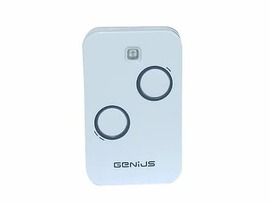
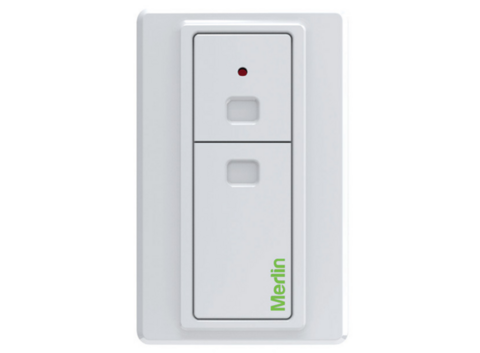
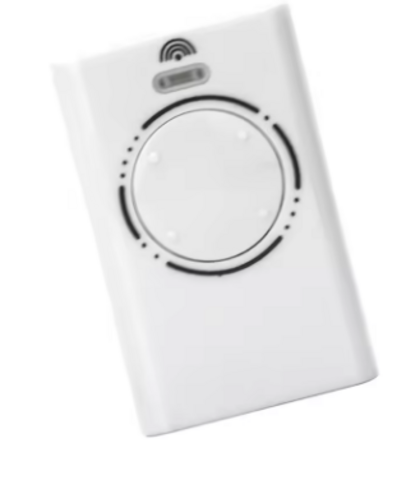
Are All Garage Door Remotes The Same?
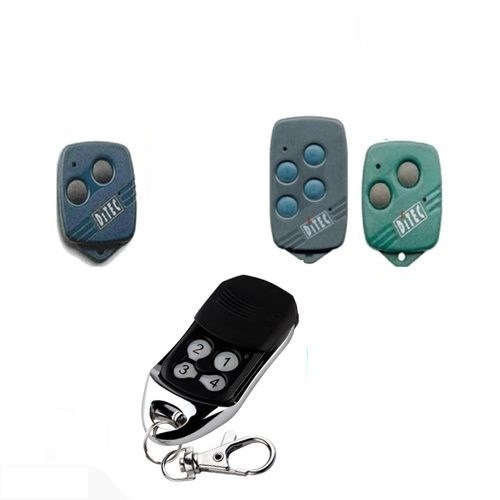
Are all garage door remotes the same in practice?
No, and treating them as interchangeable is where most people lose time and money. Garage door remotes and gate remotes vary by brand, frequency, coding type, button layout, and the receiver they are meant to talk to. Two remotes can look nearly identical and still be completely incompatible.
That matters because a garage remote is not just a generic transmitter. It has to send the right signal, at the right frequency, using the right coding format, to a motor or receiver that recognises it. If one of those pieces does not match, the door will not respond.
For homeowners and property managers, this is why a quick online guess often leads to the wrong purchase. For older systems, it can be even trickier because many original remotes are discontinued and require a specific aftermarket alternative or a receiver upgrade.
What actually makes one remote different from another?
The first big difference is brand and motor platform. Merlin, ATA, B&D, Steel-Line, Chamberlain, Dominator, FAAC, Nice and other manufacturers have all used their own remote families over the years. Even within one brand, newer motors may use a different remote series from older ones.
The second difference is frequency. Common frequencies over the years in new zealand include 27MHz, 303MHz,315MHz,339MHz,433MHz and 868mhz for gates with most newer garage door motors in nz being 433mhz rolling code but matching the frequency alone is not enough. Many customers assume that if a remote is 433MHz, any 433MHz remote will work. It will not. Frequency is only one part of the signal.
The third difference is coding type. Older systems often used fixed code remotes with small switches or a set signal. Newer systems usually use rolling code technology, where the code changes each time the remote is pressed. Rolling code is more secure, but it also means the remote has to be programmed properly to the opener or receiver. A random replacement will not substitute for that.
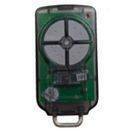
Button configuration can matter too. A four-button remote might control one door, two doors, a gate, or a light function, depending on how the system is set up. The number of buttons does not tell you whether it is compatible. It only tells you how many channels it can potentially operate.
Why some remotes look the same but still do not work
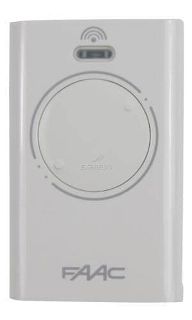
This is one of the most common problems in the replacement market. Manufacturers often reuse similar case styles across different models, and aftermarket remotes can be made in housings that resemble several originals. From the outside, they may seem close enough. Internally, they can be entirely different.
A remote’s casing, button colour, LED position and branding can help identify it, but they are not the whole story. Model number, frequency marking, coding system and motor receiver details usually matter more. If the original remote is missing, the opener unit itself often provides the best clues. The motor head, receiver board or wall control can reveal the brand and coding family.
That is why good identification support matters. It is faster to match a remote from the motor details than to buy two or three lookalikes and hope one works.
Are all garage door remotes the same if they are universal?
Universal is one of the most misunderstood terms in this category. A universal remote is not truly universal.So in reality there is no such thing. It usually means a remote control can copy or support a selected range of brands, frequencies or coding types. Some work well across a useful group of fixed-code remotes. Others cover a specific list of rolling-code systems. None work with everything.
Older remotes versus newer remotes
If your system is more than ten or fifteen years old, there is a fair chance the original remote is no longer made. That does not automatically mean you need a new motor. Many older doors can still be kept going with compatible aftermarket remotes or receiver conversions.NZ garage door remotes have a range of options for obsolete and old replacement remote controls
Older fixed-code systems are often easier to replace if the coding format is known. On the other hand, age can bring problems with worn buttons, weak signal range, tired receiver boards or faded labels that make identification harder.
Newer remotes tend to offer better security and cleaner programming, but not always simpler compatibility. Brands have introduced multiple rolling-code generations, and they are not necessarily cross-compatible. A new remote from the same manufacturer may still be the wrong one if it belongs to a different series.
How to tell what replacement remote you need
Start with the original remote if you still have it. Look for a brand, model number, FCC-style marking, frequency label, or any code printed inside the battery cover. A photo of the front, back and inside often provides enough detail to narrow it down.
If the remote is gone, check the garage door opener or gate motor. The motor housing usually shows the brand and model. In some setups, especially gates and older garages, there may be a separate receiver mounted nearby. That receiver can be more important than the motor itself because the remote pairs to the receiver.
Also think about what the remote controls. A sectional garage door motor, a roller door opener and a swing or sliding gate system may use completely different hardware, even on the same property. If one remote operates several access points, the replacement has to match the existing programming setup.
When there is uncertainty, guessing is rarely the cheapest path. A proper match the first time is what saves the most hassle.
When a replacement remote is not enough
Sometimes the issue is not the remote at all. Flat batteries are the obvious first check, but there are other faults that look like remote failure. The receiver could be faulty, the opener memory may have been cleared, there may be signal interference, or the motor board may be failing.
If none of the existing remotes work, the problem is less likely to be a single handset. If one remote works and one does not, then replacement or reprogramming is the likely fix. If range has dropped dramatically, that can point to battery quality, antenna position or receiver issues.
In Auckland, some customers prefer not to troubleshoot this themselves, especially when access is urgent or the site has multiple users. That is where on-site coding or receiver replacement can make more sense than trial and error.
The best approach if you need a remote quickly
Speed matters when your garage is stuck open, your gate access is disrupted, or a tenant has no working remote. The fastest route is to identify the system accurately and choose either a genuine replacement, a tested compatible aftermarket remote, or a receiver upgrade if the original platform is no longer practical.
Genuine remotes are often the straightforward option when still available. They are designed for the system and usually pair as expected. Aftermarket remotes can be excellent value, particularly when they are made specifically for a known compatible range rather than sold as a vague universal fix. Receiver kits are the fallback that often rescues older or unsupported setups.
Garage Door Remotes deals with this every day, and the pattern is always the same: the right technical match solves the problem quickly, while a generic guess usually delays it.
So, are all garage door remotes the same?
Not even close. Some are brand-specific, some are series-specific, and some can cross over only under certain conditions. The right replacement depends on the opener, receiver, frequency and coding method, not just the way the remote looks in your hand.
If you are replacing one, think less about finding any remote and more about finding the correct one. That small difference is what gets your door or gate working again without wasted time, wasted money, or another remote sitting in the drawer doing nothing.
Posted: Friday 5 June 2026
Recent Posts
Archive
|
© Copyright New Zealand Garage Door Remotes - Site Map Phone: 0211724470 Auckland New Zealand |