- Home
- Shop All Products
- All Garage Door Remotes
- All Gate Remote Controls
- Tilt Garage Door Parts & Handles
- Sectional Garage Door Parts
- Tilt Garage Door Springs
- Buy Garage Door Motors DIY
- Garage Door & Gate Keypads & Wall Buttons
- Garage Door And Gate Receivers
- A1 Garage Door Remote Controls
- Acdc Garage Door Remotes
- Ads Dominator Garage Door Remotes
- Aprimatic Gate Remotes
- Ahi Garage Door Remotes
- ATA Garage Door Remotes & Keypads
- Avon Smartdoor Garage Door Remotes
- B&d Garage Door Remotes
- BENINCA Gate Remotes
- Bft Garage Door & Gate Products
- Boss Garage Door Remotes
- Came Garage & Gate Remotes
- Casar Garage Door Opener Remotes
- Centurion Gate & Garage Door Products
- Centsys Gate & Garage Door Remotes
- Chamberlain Garage Door Remotes
- Cloning Garage Door Remote
- conqueror garage door remotes
- Dace Gate Remote Controls
- DEA Gate Remote Controls
- Defender Garage Door Remotes
- Digi Code Garage Door Remotes
- Ditec Gate & Garage Remotes
- Dominator Garage Door Remotes NZ
- DoorHan Gate Remotes
- Doormate Garage Door Remotes
- Doorworks Garage Door Remotes
- Easy Lifter Garage Door Remotes
- ECA Gate & Garage Door Remotes
- Elsema Garage Door & Gate Remotes
- ET Door Opener Remotes
- FAAC Gate Remote Controls
- Force Garage Door Remotes
- Garageace Garage Door Remotes
- Fushi Garage Door Remotes
- Garador Garage Door Remote Controls
- Genius Gate Remote Controls
- Gibidi Replacement Remotes
- Gliderol Garage Door Remotes
- Grifco Garage Door Remotes
- Guardian Garage Door Remote Controls
- King Kong Doors Remotes
- Lees Technology Garage Door Remotes
- Liftmaster Garage Door Remotes
- Lockmaster Garage Door & Gate Remotes
- Merlin Garage Door Remotes & Keypads
- Mhouse Garage & Gate Remotes
- Motorpol Garage Door Remotes
- Motorlift Garage Door Remotes
- Motostar Gate Remotes
- Nice Garage & Gate Remotes
- Orbit Garage Door Remotes
- ORCA Garage Door Remotes
- Parker Garage Door Remotes
- Remote King garage & Gate Remotes
- Rib Gate & Garage Door Remote Controls
- Securalift Garage Door Remotes
- Smart Openers Garage Door Remotes
- Sommer Remote Controls
- Sovereign Garage Door Remotes
- SuperLift Garage Door Remotes
- Steel-Line Garage Door Remotes
- Tau Gate Remote Controls
- Tiltamatic Garage Door Remotes
- Tmt Automation Gate Remotes
- Troytec Garage Door Remotes
- Vergo Garage Door Opener Remote
- Vaskeri Garage Door Remotes
- V2 Phox Garage Door & Gate Remotes
- Windsor Garage Door Remotes
- Remote Control Sun Visor Holders
- Garage Door Motor Parts
- Services We Offer In Auckland
- T&C
- Shop By Motor Head
- Contact Us
- Our Easy Remote Coding Videos
- Helpful Information
- Customer Testimonials
- FAQS
- About Us
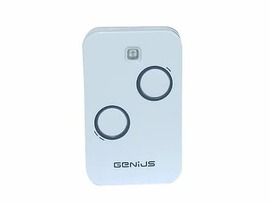
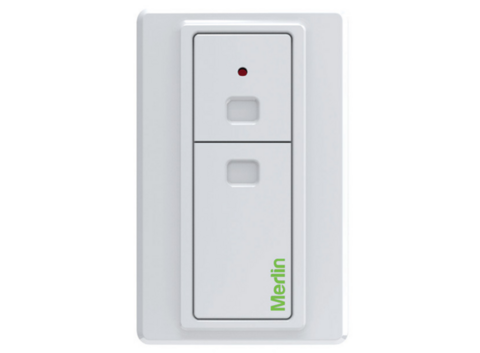
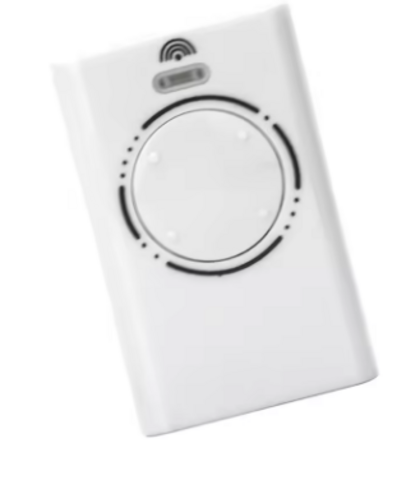
Replacement Garage Door Remote Guide NZ
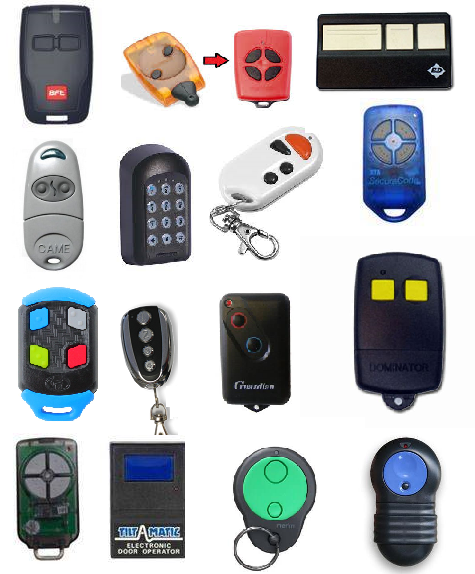
Replacement Garage Door Remote Guide
That is why replacement is rarely about finding something that looks similar. It is about matching the signal and setup properly so the remote works first time, holds a reliable connection, and does not create extra problems with access or security.
Why getting the right replacement matters
Garage door remotes are not universal in the way many people assume. Two remotes can have the same button layout and casing, yet use completely different frequencies or coding systems. Even within one manufacturer, older motors and newer motors may need different remotes.
For homeowners, that usually means wasted money and delay if the wrong item is ordered. For property managers and small businesses, it can mean access issues for tenants, staff, or deliveries. If the garage also protects internal entry to the house, a failed remote becomes a security and convenience problem at the same time.
The good news is that most systems can still be sorted. Some need a genuine remote. Some will work perfectly with a quality aftermarket alternative. And if the original system is obsolete, there is often a practical fix through a compatible receiver upgrade rather than replacing the whole opener.
How to identify the right replacement garage door remote NZ option
The fastest way to get the correct remote is to identify the opener, not just the handheld transmitter. In many cases the useful information is on the motor unit inside the garage rather than on the remote itself.
Start with the motor brand and model
Look at the garage door opener head mounted on the ceiling or near the door track. The brand label and model number are often on the side, back, or underside of the unit. This is the most reliable starting point because remotes are paired to the receiver built into that motor or attached separately.
If the remote shell is worn, cracked, or faded, the opener details matter even more. A customer might think they have one brand because that is what is printed on the remote, but the receiver may have been changed years ago.
Check the existing remote if you still have one
If you still have a working or partly working remote, note the brand, model number, button colour, and case style. These details can help narrow down the exact version. In some systems, even a change in button colour points to a different coding series.
It also helps to check the battery condition before assuming the remote is dead. A flat battery can mimic a remote failure. If a new battery does not solve it, the remote may need replacing or the receiver may need checking.
Confirm whether it is genuine, compatible, or obsolete
This is where specialist knowledge makes a real difference. Some opener brands only accept their own genuine remotes. Others can use well-made compatible remotes without any loss of function. Older systems may no longer have original remotes available, but that does not always mean the opener is finished.
A replacement receiver can often bring an older motor back into service with modern remotes. That is usually more cost-effective than a full motor replacement, especially if the door itself is still operating well.
Genuine vs aftermarket remotes
There is no one-size-fits-all answer here. It depends on the system, the age of the opener, and what matters most to you.
Genuine remotes are the direct match from the original manufacturer. They are often the preferred choice where exact compatibility is critical or where the opener uses tighter brand-specific coding. They can also be the best option for customers who want to keep all equipment original.
Aftermarket remotes can be an excellent solution when they are designed specifically for known brands and models. A good aftermarket remote is not a random substitute. It is built to replicate the required coding and frequency for supported systems. For many customers, that means lower cost, solid reliability, and no unnecessary compromise.
Where people get into trouble is buying very cheap remotes with vague compatibility claims. If the listing does not clearly state supported brands and model families, there is a fair chance it is not the right fit.
Programming a replacement remote
Most replacement remotes need to be coded to the opener before they will operate the door. In many cases, this is a straightforward process using the learn or code button on the motor head.
For newer openers, programming is often a matter of pressing the learn button, then pressing the new remote button within a short time window. Older systems can be different. Some use dip switches, some require a sequence on the wall control, and some involve a standalone receiver rather than the motor itself.
This is why brand-specific instructions matter. General advice only gets you so far. If the remote is correct but the programming steps are wrong, it will still seem like a faulty product.
For confident DIY users, clear coding instructions and video guidance are usually enough. For less technical customers, or if the site has multiple users and remotes to manage, support over the phone or in person can save a lot of frustration.
When the problem is not the remote
Not every non-working handset means you need a replacement remote. Sometimes the issue sits elsewhere in the system.
If none of the remotes work, the receiver may have failed, the motor board may have a fault, or the opener may have lost stored codes after a power issue. If one remote works and another does not, the problem is more likely isolated to the handset, its battery, or the programming.
Range problems are another common clue. If the remote only works very close to the door, that can point to a weak battery, interference, an antenna issue, or a failing receiver. Replacing the remote may help, but it is worth checking the wider setup before ordering blindly.
What to do if your system is old or discontinued
This is common across New Zealand, especially in homes with older tilt doors or sectional door motors installed many years ago. A discontinued remote does not automatically mean the whole opener needs to go.
Often there are three workable paths. The first is sourcing old-stock genuine remotes if they still exist. The second is using a compatible remote made for that series. The third is fitting a new external receiver that works with fresh remotes.
The receiver option is often the smartest fix when original accessories are no longer supported. It modernises the access side of the system without forcing a full motor replacement. That can be especially useful for landlords, body corporates, and owners managing multiple remotes across one site.
Buying the right remote online without trial and error
A specialist supplier should make the process easier, not harder. That means helping you identify products by opener brand, remote model, coding type, and common compatibility notes. It also means being able to advise when a receiver, keypad, or service call is the better answer.
This is where a category specialist has a clear advantage over a general hardware retailer. If you need support for older brands, gate remotes, hard-to-match transmitters, or coding help after purchase, specialist stock depth and product knowledge matter. Garage Door Remotes focuses on exactly that problem - getting customers the correct replacement quickly, with practical setup support and options for obsolete systems.
For Auckland customers, on-site help can be the difference between a quick fix and a drawn-out fault. If coding fails, the receiver is damaged, or the opener needs repair work at the same time, mobile service support makes sense.
Who usually needs a replacement garage door remote
It is not just homeowners who lose a remote down the side of the car seat. Property managers often need extra remotes between tenancies. Small business operators need staff access sorted without leaving the site unsecured. Families often need additional remotes as another driver starts using the garage regularly.
In each case, speed matters, but accuracy matters more. One correctly matched remote is worth far more than two cheap ones that never code properly.
Before you order
If you want to avoid delays, collect a few details first: the opener brand and model, a photo of the existing remote if available, how many buttons it has, and whether any current remotes still work. That small bit of preparation usually leads to a much faster and more accurate match.
If you are unsure, ask before buying rather than after the parcel arrives. A good supplier will tell you whether you need a remote, a receiver, or a different fix altogether.
When your garage door remote stops working, the aim is not just to replace a small piece of plastic. It is to restore secure, reliable access without wasting time on the wrong part.
Posted: Friday 5 June 2026
Recent Posts
Archive
|
© Copyright New Zealand Garage Door Remotes - Site Map Phone: 0211724470 Auckland New Zealand |