- Home
- Shop All Products
- All Garage Door Remotes
- All Gate Remote Controls
- Tilt Garage Door Parts & Handles
- Sectional Garage Door Parts
- Tilt Garage Door Springs
- Buy Garage Door Motors DIY
- Garage Door & Gate Keypads & Wall Buttons
- Garage Door And Gate Receivers
- A1 Garage Door Remote Controls
- Acdc Garage Door Remotes
- Ads Dominator Garage Door Remotes
- Aprimatic Gate Remotes
- Ahi Garage Door Remotes
- ATA Garage Door Remotes & Keypads
- Avon Smartdoor Garage Door Remotes
- B&d Garage Door Remotes
- BENINCA Gate Remotes
- Bft Garage Door & Gate Products
- Boss Garage Door Remotes
- Came Garage & Gate Remotes
- Casar Garage Door Opener Remotes
- Centurion Gate & Garage Door Products
- Centsys Gate & Garage Door Remotes
- Chamberlain Garage Door Remotes
- Cloning Garage Door Remote
- conqueror garage door remotes
- Dace Gate Remote Controls
- DEA Gate Remote Controls
- Defender Garage Door Remotes
- Digi Code Garage Door Remotes
- Ditec Gate & Garage Remotes
- Dominator Garage Door Remotes NZ
- DoorHan Gate Remotes
- Doormate Garage Door Remotes
- Doorworks Garage Door Remotes
- Easy Lifter Garage Door Remotes
- ECA Gate & Garage Door Remotes
- Elsema Garage Door & Gate Remotes
- ET Door Opener Remotes
- FAAC Gate Remote Controls
- Force Garage Door Remotes
- Garageace Garage Door Remotes
- Fushi Garage Door Remotes
- Garador Garage Door Remote Controls
- Genius Gate Remote Controls
- Gibidi Replacement Remotes
- Gliderol Garage Door Remotes
- Grifco Garage Door Remotes
- Guardian Garage Door Remote Controls
- King Kong Doors Remotes
- Lees Technology Garage Door Remotes
- Liftmaster Garage Door Remotes
- Lockmaster Garage Door & Gate Remotes
- Merlin Garage Door Remotes & Keypads
- Mhouse Garage & Gate Remotes
- Motorpol Garage Door Remotes
- Motorlift Garage Door Remotes
- Motostar Gate Remotes
- Nice Garage & Gate Remotes
- Orbit Garage Door Remotes
- ORCA Garage Door Remotes
- Parker Garage Door Remotes
- Remote King garage & Gate Remotes
- Rib Gate & Garage Door Remote Controls
- Securalift Garage Door Remotes
- Smart Openers Garage Door Remotes
- Sommer Remote Controls
- Sovereign Garage Door Remotes
- SuperLift Garage Door Remotes
- Steel-Line Garage Door Remotes
- Tau Gate Remote Controls
- Tiltamatic Garage Door Remotes
- Tmt Automation Gate Remotes
- Troytec Garage Door Remotes
- Vergo Garage Door Opener Remote
- Vaskeri Garage Door Remotes
- V2 Phox Garage Door & Gate Remotes
- Windsor Garage Door Remotes
- Remote Control Sun Visor Holders
- Garage Door Motor Parts
- Services We Offer In Auckland
- T&C
- Shop By Motor Head
- Contact Us
- Our Easy Remote Coding Videos
- Helpful Information
- Customer Testimonials
- FAQS
- About Us
Why Is My Garage Door Or Gate Remote Control Flashing
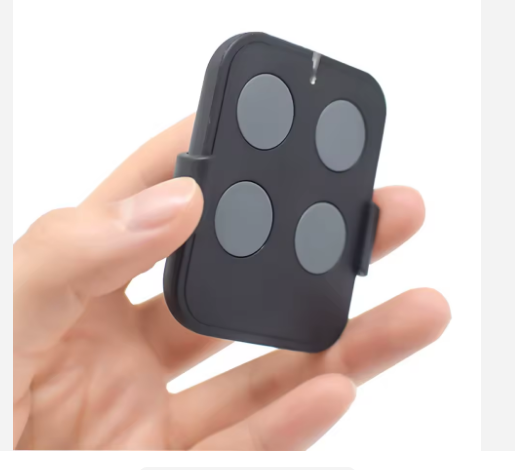
You press the button, the LED flashes, and nothing happens. If you are asking why is garage remote flashing, the good news is that the light is often a clue rather than a sign the remote is completely dead. In most cases, the problem comes down to a flat battery, lost programming, signal mismatch, or a fault in the garage door opener or receiver rather than the handheld remote alone.
A flashing garage remote can mean different things depending on the brand, the age of the system, and whether you are using a genuine remote, an aftermarket replacement, or a universal unit. That is why guessing usually wastes time. The quickest fix comes from working through what the light is actually telling you.
Why is garage remote flashing but not working?
The most common cause is low battery voltage. Many remotes will still flash when the battery is nearly flat, but they do not have enough power to transmit a clean signal over normal range. That means the light can look normal while the opener never receives a usable command.
Another common cause is lost coding. If the remote has been dropped, had its battery removed for a while, or if the opener memory has been reset, the remote may flash because the button is working but the opener no longer recognises it. This is especially common after power outages, electrical work, or accidental presses on the motor unit.
Compatibility issues are also high on the list. A remote can flash perfectly and still never operate the door if it is the wrong frequency, wrong coding type, or wrong brand family. This catches people out when they buy a lookalike remote or try to match an older system with a newer style handset.
There is also the possibility that the problem is not the remote at all. If the wall button works but the remote does not, that points toward the handset, battery, or receiver programming. If neither the wall control nor the remote works properly, the opener itself may have a power, logic board, or safety device issue.
What the flashing light usually means
On most garage and gate remotes, a flashing LED means the button press is being registered. It does not guarantee the radio signal is strong enough, correctly coded, or being accepted by the receiver. Think of it as confirmation that the remote has power and the switch is responding, not proof that the full system is working.
Some brands use different flash patterns as a warning. A weak or irregular flash can point to a battery on the way out. A rapid flash after programming can mean the remote has not paired correctly. On certain remotes, a continuous flash after pressing a button can indicate the handset is in programming mode rather than normal operation mode.
That is why the exact behaviour matters. A single clean flash, a repeated flicker, or a light that stays on longer than usual can all point in slightly different directions.
Start with the battery
If you want the fastest first step, replace the battery with the correct type and fit it carefully. This sounds basic, but it solves a large share of flashing remote complaints. Coin batteries can measure enough voltage to light an LED but still fail under load when the remote tries to transmit.
Use the exact battery model recommended for the handset. Cheap substitutes or the wrong battery thickness can create poor terminal contact. It is also worth checking for battery corrosion, bent tabs, or a loose battery door after the remote has been dropped.
Once the new battery is in, test the remote close to the motor or receiver. If it works only at short range, the battery may have been the issue, or the remote may still be weakening internally.
Check whether the remote has lost its coding
If the battery change does not fix it, the next likely issue is programming. A flashing remote that does nothing often means the opener is no longer paired to that handset. Re-coding is usually straightforward, but the method depends on the motor brand and model.
Most systems involve pressing a learn or code button on the opener, then pressing the remote button within a short time window. Some older systems use dip switches instead. Others require a sequence that is brand-specific, particularly on rolling code remotes where security protocols matter.
This is where people often hit trouble with universal remotes. Some can copy only fixed-code systems. Others can be programmed to multiple brands, but only if the exact coding family matches. If the remote flashes during setup but never stores successfully, compatibility is the first thing to question.
When the remote is the wrong one
A lot of customers assume that if a remote looks similar, it should work. It often will not. Frequency, code type, button mapping, and manufacturer generation all matter. A remote may flash because it is powered up and functional, but if it does not speak the same radio language as the receiver, the door will never respond.
This is especially common with older or obsolete garage door systems where the original remote is no longer available. In some cases, there is a direct replacement. In others, the best option is an aftermarket-compatible remote or a new receiver kit that lets you use modern handsets.
If your garage opener is older and the remote keeps flashing without ever operating the door, it is worth identifying the motor brand, model, frequency, and any part numbers on the remote case before buying another handset. Getting that match right the first time saves a lot of frustration.
Why range problems can look like a flashing remote fault
Sometimes the remote is actually working, but only at very short distance. From inside the garage it opens the door. From the driveway it just flashes and does nothing. That usually points to weak transmission, signal interference, or a receiver issue.
A weak battery is still the most common cause, but not the only one. LED lighting, phone chargers, solar inverters, and other nearby electronics can interfere with some radio frequencies. In other cases, the receiver antenna on the opener has been tucked up, damaged, or disconnected, which sharply reduces operating range.
Metal cladding and enclosed garages can also affect performance. So can weathered electronics in an older receiver. If the remote works inconsistently from different positions, the issue is often about signal path rather than the button itself.
If the opener light flashes too
Do not confuse the remote LED flashing with the opener unit flashing. If the motor light blinks when you try to close the door, that often points to safety beam misalignment, an obstruction, or a travel setting problem. In that case, the remote may be fine. The opener is refusing the command for safety reasons.
Check whether the door opens but will not close, or starts to close then reverses. That pattern usually has more to do with safety sensors, force settings, or a door that is binding on its tracks than with the handheld remote.
This matters because many people replace the remote when the actual fault sits on the motor or the door hardware.
When to stop troubleshooting and replace the remote
If the battery is new, the coding procedure is correct, and the receiver is confirmed compatible, a flashing remote that still will not work may simply be faulty. Buttons wear out, internal solder joints crack, and older circuit boards become unreliable after years in the car, on keyrings, or in damp conditions.
Replacement is usually the sensible option when the handset works only intermittently, requires repeated presses, has damaged casing, or has already been through multiple battery changes without improvement. For many brands, a proper replacement remote is faster and more cost-effective than chasing an internal fault.
Where the original remote is discontinued, an aftermarket replacement or a new receiver can often restore reliable access without changing the entire opener.
A practical way to narrow it down
If you want to solve it quickly, test in this order: fit a fresh battery, stand close to the opener, try the spare remote if you have one, check whether the wall button works, then reprogram the handset if needed. If the spare remote also fails, the problem is more likely in the receiver or opener. If only one handset fails, the remote itself is the likely culprit.
For customers dealing with older motors, mixed-brand systems, or remotes that look identical but code differently, getting expert identification support can save buying the wrong replacement. That is often the difference between a two-minute fix and a week of trial and error.
Garage Door Remotes deals with this every day across current and obsolete systems, so if your remote is flashing and you are not getting a clear answer from the behaviour alone, matching the exact remote or receiver is usually the next smart move.
A flashing light is useful because it tells you the remote is trying to do something. The job is working out whether it needs a new battery, new coding, the right replacement, or attention at the opener end. Once you know which of those applies, the fix is usually much simpler than it first looks.
Posted: Friday 5 June 2026
Recent Posts
Archive
|
© Copyright New Zealand Garage Door Remotes - Site Map Phone: 0211724470 Auckland New Zealand |