- Home
- Shop All Products
- All Garage Door Remotes
- All Gate Remote Controls
- Tilt Garage Door Parts & Handles
- Sectional Garage Door Parts
- Tilt Garage Door Springs
- Buy Garage Door Motors DIY
- Garage Door & Gate Keypads & Wall Buttons
- Garage Door And Gate Receivers
- A1 Garage Door Remote Controls
- Acdc Garage Door Remotes
- Ads Dominator Garage Door Remotes
- Aprimatic Gate Remotes
- Ahi Garage Door Remotes
- ATA Garage Door Remotes & Keypads
- Avon Smartdoor Garage Door Remotes
- B&d Garage Door Remotes
- BENINCA Gate Remotes
- Bft Garage Door & Gate Products
- Boss Garage Door Remotes
- Came Garage & Gate Remotes
- Casar Garage Door Opener Remotes
- Centurion Gate & Garage Door Products
- Centsys Gate & Garage Door Remotes
- Chamberlain Garage Door Remotes
- Cloning Garage Door Remote
- conqueror garage door remotes
- Dace Gate Remote Controls
- DEA Gate Remote Controls
- Defender Garage Door Remotes
- Digi Code Garage Door Remotes
- Ditec Gate & Garage Remotes
- Dominator Garage Door Remotes NZ
- DoorHan Gate Remotes
- Doormate Garage Door Remotes
- Doorworks Garage Door Remotes
- Easy Lifter Garage Door Remotes
- ECA Gate & Garage Door Remotes
- Elsema Garage Door & Gate Remotes
- ET Door Opener Remotes
- FAAC Gate Remote Controls
- Force Garage Door Remotes
- Garageace Garage Door Remotes
- Fushi Garage Door Remotes
- Garador Garage Door Remote Controls
- Genius Gate Remote Controls
- Gibidi Replacement Remotes
- Gliderol Garage Door Remotes
- Grifco Garage Door Remotes
- Guardian Garage Door Remote Controls
- King Kong Doors Remotes
- Lees Technology Garage Door Remotes
- Liftmaster Garage Door Remotes
- Lockmaster Garage Door & Gate Remotes
- Merlin Garage Door Remotes & Keypads
- Mhouse Garage & Gate Remotes
- Motorpol Garage Door Remotes
- Motorlift Garage Door Remotes
- Motostar Gate Remotes
- Nice Garage & Gate Remotes
- Orbit Garage Door Remotes
- ORCA Garage Door Remotes
- Parker Garage Door Remotes
- Remote King garage & Gate Remotes
- Rib Gate & Garage Door Remote Controls
- Securalift Garage Door Remotes
- Smart Openers Garage Door Remotes
- Sommer Remote Controls
- Sovereign Garage Door Remotes
- SuperLift Garage Door Remotes
- Steel-Line Garage Door Remotes
- Tau Gate Remote Controls
- Tiltamatic Garage Door Remotes
- Tmt Automation Gate Remotes
- Troytec Garage Door Remotes
- Vergo Garage Door Opener Remote
- Vaskeri Garage Door Remotes
- V2 Phox Garage Door & Gate Remotes
- Windsor Garage Door Remotes
- Remote Control Sun Visor Holders
- Garage Door Motor Parts
- Services We Offer In Auckland
- T&C
- Shop By Motor Head
- Contact Us
- Our Easy Remote Coding Videos
- Helpful Information
- Customer Testimonials
- FAQS
- About Us

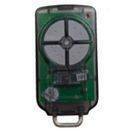
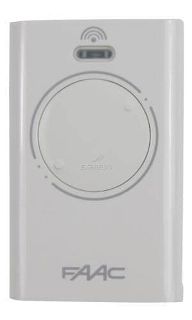
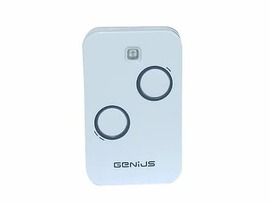
Why Is My Garage Door Keypad Not Working
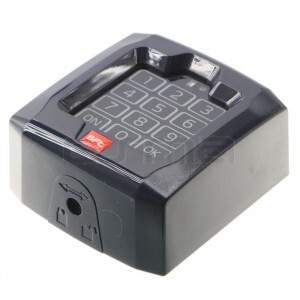
Why garage keypad not working - the most common reasons
A wireless garage keypad is a fairly simple device, but it relies on several things all working together. The keypad needs enough battery power, the correct code stored in memory, a working radio signal, and a receiver or motor that still recognises it.
Flat or weak batteries are one of the most common causes. A keypad can still light up with low battery voltage, which makes people assume it is fine, but the signal may be too weak to trigger the door. If the buttons respond slowly, the light is dim, or operation has become intermittent, battery replacement is the first place to start.
Lost programming is another regular issue. Power cuts, battery changes, accidental resets, or faults inside an older keypad can wipe stored codes. If the keypad lights up normally but the opener does not react, reprogramming may solve it.
Wear and tear matters too. Outdoor keypads live with sun, rain, dust, and temperature changes. Over time the button membrane, circuit board, or battery terminals can corrode or fail. Some keys may stop responding, or only work if pressed hard. Once that starts happening, repair is often less practical than replacement.
Then there is compatibility. Not every keypad works with every garage door opener, even if the frequency sounds close or the brand looks familiar. Older motors, discontinued systems, and brand-specific coding methods can all catch people out. This is especially common when someone has bought a universal keypad that is not actually compatible with their receiver.
Start with the simplest checks first
Before assuming the opener has failed, look at what the keypad is doing. If there are no lights, no beep, and no response at all, check the battery and battery contacts first. Remove the cover, inspect for corrosion, and fit a fresh battery of the correct type. It is worth checking the battery orientation as well, because a reversed battery is an easy mistake.
If the keypad lights up and accepts your PIN but the door does not move, stand closer and try again. If it works at short range only, weak battery power or radio interference is likely. Nearby LED lighting, metal cladding, or newer electronics can sometimes affect signal performance.
Also check whether the wall button inside the garage still opens the door. If the wall control works but the keypad does not, the issue is usually isolated to the keypad, its programming, or the receiver pairing. If the wall control also fails, you may be dealing with a wider opener or power supply fault.
When the code is right but nothing happens
This is where many people get stuck. The keypad appears normal, the PIN is correct, but there is no response from the motor. In that situation, reprogramming is usually the next step.
Most keypads need to be paired to the garage door opener or receiver using a learn button. The process varies by brand and model. Some require entering a PIN and then pressing the learn button on the motor. Others need a sequence on the keypad itself before the receiver will accept it. If the wrong method is used, the keypad may look programmed but never actually transmit a valid code.
It also depends on whether the keypad is matched to the original motor receiver or to an added external receiver. That distinction matters, particularly on older systems where the original remotes or keypads are obsolete. In those cases, a replacement keypad often needs to match the receiver currently installed, not the motor brand on the door.
Why garage keypad not working after battery change
If the problem started straight after a battery change, there are a few likely causes. The new battery may be the wrong type, fitted incorrectly, or not making proper contact. Battery clips inside older keypads can flatten or corrode, which means the new battery never actually powers the board consistently.
Some keypads also lose memory during battery replacement. That can leave you with a working keypad that no longer communicates with the opener. If your keypad powers up after the battery change but no longer opens the door, try programming it again before assuming it is dead.
It is also possible that the battery change simply exposed an underlying issue. A keypad that was already on its last legs may stop working completely once opened, especially if the casing is brittle or moisture has already entered the unit.
Weather, age, and outdoor damage
In New Zealand conditions, outdoor keypads take a hiding. Direct sun can crack plastic covers and harden rubber buttons. Coastal air can accelerate corrosion. Moisture gets into battery compartments, and ants or insects occasionally find their way inside housings.
If the keypad only works in dry weather, or stops after heavy rain, water ingress is a strong possibility. You may see condensation under the cover, green corrosion on contacts, or erratic button behaviour. Drying it out may help briefly, but once corrosion has started, replacement is usually the more reliable fix.
Age is another factor people underestimate. If the keypad has been on the wall for many years and has become temperamental, replacement often saves time and frustration. The trade-off is that the correct replacement must match the existing system. Choosing by appearance alone can lead to another dead end.
Could the garage door opener be the real issue?
Yes, sometimes the keypad is blamed unfairly. If none of your remotes work either, or the opener behaves inconsistently from all transmitters, the receiver or motor board may be at fault. In that case, a new keypad will not solve the problem.
A quick comparison helps. If the wall button works but remotes and keypad do not, the radio receiver side is the likely issue. If remotes still work but the keypad does not, the keypad itself or its coding is the stronger suspect. If nothing works, start with mains power, motor status lights, and any obvious faults on the opener.
For older or discontinued systems, fitting a new external receiver can often be the cleanest fix. That lets you use new remotes and a new keypad without relying on failing original radio electronics.
When to replace instead of troubleshoot
There is a point where more testing is not worth it. If the keypad has cracked buttons, obvious water damage, severe corrosion, or unreliable operation even after fresh batteries and reprogramming, replacement is usually the better option.
The important part is getting the right unit. Brand, frequency, coding type, and receiver compatibility all matter. Universal products can work in some situations, but not all. If your system is older, obscure, or already modified with an aftermarket receiver, identification before purchase saves a lot of time.
That is where a specialist supplier is useful. At Garage Door Remotes, many customers come in thinking they need a keypad, only to find the real issue is receiver compatibility or an obsolete setup that needs a different solution.
The fastest way to get the right fix
If your keypad has stopped working, start with three checks. Fit a fresh battery, test whether the opener still works from the wall button or remotes, and confirm the keypad model actually matches the receiver it is meant to control. Those three steps will solve or narrow down a large share of faults.
If the keypad still fails after that, the next step is not guessing. Identify the motor brand, receiver type, and any existing remotes before replacing anything. A clear photo of the keypad, remote, and opener label often tells the story quickly.
A non-working keypad is frustrating, but it is usually a straightforward fault once the system is identified properly. The sooner you match the problem to the right part, the sooner the door gets back to doing what it should.
Posted: Friday 5 June 2026
Recent Posts
Archive
|
© Copyright New Zealand Garage Door Remotes - Site Map Phone: 0211724470 Auckland New Zealand |